
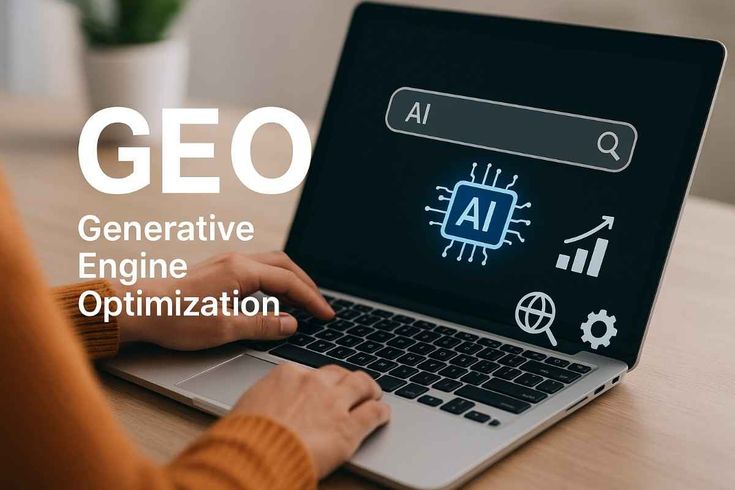
The digital world is changing faster than ever. With AI tools like ChatGPT, Gemini, and Copilot becoming part of everyday search experiences, the way people find information online is evolving. Traditional SEO (Search Engine Optimization) which focused on ranking higher on Google is no longer enough.
That’s where Generative Engine Optimization (GEO) comes in. GEO is the next big step in digital marketing designed to make your content visible not just to search engines, but to AI-powered generative systems that deliver answers directly to users.
What is Generative Engine Optimization (GEO)?
Generative Engine Optimization is the process of optimizing your content for AI-generated responses, not just search engines.
Traditional SEO focuses on how Google or Bing ranks pages in search results. GEO, on the other hand, ensures your content is understood and surfaced by AI models that generate answers like how ChatGPT, Perplexity, or Google’s AI Overview summarize information.
For example:
When someone asks ChatGPT, “What are the best digital marketing strategies for small businesses?” the AI generates an answer using data it has been trained on or retrieved from the web. GEO helps make sure your content is structured, clear, and optimized in ways that these AI systems recognize and reference.
Why GEO Matters for Marketers
- AI-Powered Search is the Future
Search behavior is changing. People no longer type simple queries they ask AI complex questions. GEO helps your content stay relevant in this new, conversational search landscape. - Visibility Beyond Search Engines
Traditional SEO targets Google rankings. GEO ensures your brand appears in AI-generated summaries and conversational responses, increasing your visibility across multiple platforms. - Better User Experience
GEO-friendly content is written in a natural, helpful, and structured way which also makes it more enjoyable for readers. - Stronger Brand Authority
If AI systems repeatedly surface your content, users begin to recognize and trust your brand as an expert source. - Future-Proof Strategy
As AI continues to shape search experiences, brands that embrace GEO today will have a major advantage tomorrow.
How GEO Works
GEO isn’t about keyword stuffing or traditional backlink strategies it’s about clarity, structure, and context. Here’s how to make your content more GEO-friendly:
- 1. Write Clearly and Conversationally
Generative engines process human-like language. Write naturally, as if explaining something to a friend not just for algorithms. - 2. Use Structured Data
Mark up your content with schema and headings so AI systems can easily identify key information and context. - 3. Optimize for Questions and Answers
Include Q&A sections or FAQ formats. AI tools often extract direct answers from such structures. - 4. Focus on Topical Authority
Create in-depth content around specific themes. The more complete your coverage of a topic, the higher the chance AI models will reference your content. - 5. Keep Information Accurate and Up to Date
Generative models rely on trustworthy data. Outdated or misleading information can harm your visibility.
GEO vs Traditional SEO
| Aspect | SEO | GEO |
|---|---|---|
| Focus | Search Engine Rankings | AI-Generated Responses |
| Audience | Human searchers | AI systems + human readers |
| Optimization Goal | Keywords & backlinks | Context, clarity, and topical authority |
| Content Style | Keyword-driven | Conversational and informative |
| Tools | Google Search Console, Ahrefs | AI output testing, structured data, content clarity |
While SEO remains important, GEO adds a new layer that helps you reach users in AI-driven ecosystems where traditional rankings don’t apply.
How to Get Started with GEO
- Audit your existing content for clarity and structure.
- Reformat long blogs with clear headings, FAQs, and summaries.
- Use schema markup to help AI models understand your content.
- Focus on expertise and trustworthiness (E-E-A-T) AI systems prioritize credible sources.
- Test AI responses (like ChatGPT or Perplexity) to see if your content is being referenced or summarized.
The future of search is conversational, intelligent, and generative. By embracing Generative Engine Optimization now, you’re not just adapting you’re staying ahead. The brands that understand how AI reads, summarizes, and recommends content will become the ones users (and algorithms) trust most